
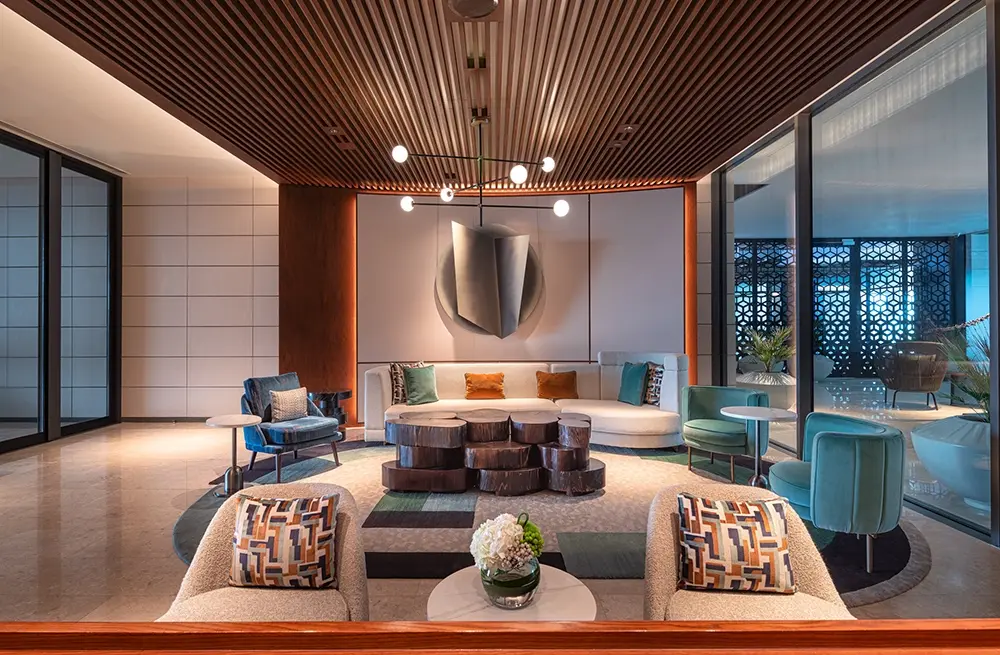
Modern homes now blend comfort, technology, and personal style through smart devices that respond to everyday routines. Automated lighting, climate controls, security systems, and connected appliances give homeowners greater control over their spaces. These features also influence layouts, wiring, furniture placement, and material choices, making technology an important part of a residential interior fit out.
Smart lighting and ambiance
Smart lighting gives each room flexible illumination through dimmers, sensors, timers, and app controls. Homeowners set bright lighting for work, softer tones for evenings, or automated scenes for specific activities.
Designers also plan switch locations, concealed wiring, ceiling details, and fixture placement around these systems. This approach keeps technology discreet while allowing lighting to support the mood and function of every room.
Connected climate control
Smart thermostats and climate systems give homeowners precise control over indoor temperatures. These systems monitor room conditions and adjust settings through apps, schedules, or sensors.
Interior designers account for thermostat positions, ventilation points, control panels, and equipment zones during the fit out process. Proper integration helps preserve clean walls and balanced room layouts while supporting comfortable indoor conditions throughout the home.
Smart security features
Modern residential interiors also incorporate connected security technology, including smart locks, video doorbells, cameras, motion sensors, and alarm systems. Designers consider device locations alongside entry doors, corridors, gates, and private areas.
Concealed cabling helps maintain a neat appearance, while accessible control points support simple daily operation. Good placement also gives security devices clear coverage without making them dominate the interior scheme.
Automated window treatments
Motorized blinds and curtains add another layer of convenience to residential interiors. Homeowners control them through switches, mobile applications, voice commands, or preset schedules. Designers account for power connections, curtain recesses, window dimensions, and furniture positions before installation.
This integration keeps window areas tidy and allows natural light levels to change smoothly throughout the day without manual adjustment.
Smart kitchens and appliances
Connected ovens, refrigerators, dishwashers, coffee makers, and other kitchen appliances influence cabinetry and electrical layouts. Designers coordinate power outlets, appliance dimensions, ventilation, and storage zones before installation. Smart appliances also support streamlined kitchen routines through remote controls and automated settings.
A well-integrated setup keeps technology practical while preserving the visual character of the kitchen.